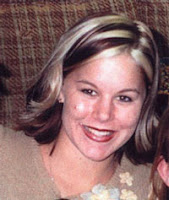
Welcome To My Blog. I respect and appreciate comments, questions, information and theories you might have. Even if i agree with you or not, i won't delete your comments as long as they are not purposefully attacking anyone. I will not condone bullying of any kind. If you that is your intent, don't bother posting because i will delete it the moment i see it.

Wednesday, January 29, 2025

"Atomic Habits"

"Atomic Habits" is a term popularized by James Clear in his book "Atomic Habits: An Easy & Proven Way to Build Good Habits & Break Bad Ones." The concept focuses on making small, incremental changes that collectively lead to significant improvements over time. When it comes to mental health, atomic habits can play a crucial role in building resilience, reducing stress, and enhancing overall well-being. Here are some atomic habits that can benefit mental health:

1. Mindfulness and Meditation

Mindfulness
Applying the concept of atomic habits to mindfulness can help you build a consistent and effective practice that benefits your mental well-being. Here’s how you can break down mindfulness into small, manageable habits:

Atomic Habits for Mindfulness
The idea is to integrate tiny mindfulness practices into your daily routine. These small steps can help you stay present, reduce stress, and improve your overall mental health.

Start Small
- 1-Minute Breathing: Begin with just one minute of focused breathing. Pay attention to your breath as it moves in and out.
- Mindful Moments: Take a few seconds to notice your surroundings, how you feel, or what you're doing at various points in your day.
- Single Tasking: When doing a simple task like washing dishes or brushing your teeth, focus solely on that activity without distractions.

Attach to Existing Habits
- Morning Routine: Add a minute of mindfulness to your morning routine. For example, take a moment to breathe deeply before you get out of bed.
- Meal Times: Practice mindful eating during one meal a day. Pay attention to the taste, texture, and aroma of your food.
- Daily Walk: If you take a daily walk, spend a few minutes observing your surroundings mindfully.

 Use Cues and Triggers
- Technology Reminders: Set reminders on your phone or computer to prompt you to take a mindful break.
- Visual Cues: Place sticky notes in your environment with simple reminders to be mindful.

Example Atomic Habits for Mindfulness
Here are some specific examples of small, actionable mindfulness habits:
- 3 Deep Breaths: Whenever you feel stressed, take three deep, slow breaths to center yourself.
- Mindful Hand Washing: Focus on the sensation of the water and the feeling of your hands as you wash them.
- Gratitude Pause: Before bed, take a moment to think of one thing you’re grateful for that day.
- Mindful Listening: When talking to someone, give them your full attention and really listen to what they're saying without interrupting or planning your response.

Tips for Maintaining Mindfulness Habits
- Be Consistent: Try to practice mindfulness at the same time each day to build a habit.
- Keep It Simple: Don’t overcomplicate your mindfulness practice. Simple, brief moments of mindfulness are effective.
- Track Your Progress: Use a habit tracker or journal to record your mindfulness practices and reflect on their impact.
- Be Kind to Yourself: It’s normal to have days where it’s harder to be mindful. Acknowledge this without judgment and gently bring your focus back.

Benefits for Mental Health
Incorporating these atomic habits into your routine can lead to several mental health benefits:
- Reduced Anxiety and Stress: Regular mindfulness practice helps calm the mind and reduce the impact of stress.
- Improved Focus and Concentration: Being mindful helps you stay present and improves your ability to concentrate.
- Enhanced Emotional Regulation: Mindfulness increases self-awareness and helps you manage emotions more effectively.
- Greater Resilience: A regular mindfulness practice can build resilience, making it easier to cope with challenges.
- Better Sleep: Mindfulness can help you relax and improve the quality of your sleep.

The key is to start small and build these mindfulness practices into your daily routine gradually. Over time, these atomic habits can make a significant difference in your mental well-being.

Ready to start integrating some mindfulness habits into your life? 🌟 If you need more specific guidance or examples, feel free to ask!

Meditation
Applying the concept of atomic habits to meditation can help you establish a regular practice without feeling overwhelmed. Here’s how you can break down meditation into small, manageable habits:

The idea is to integrate tiny meditation practices into your daily routine. These small steps can help you build a consistent meditation habit that benefits your mental and emotional well-being.

Start Small
- 1-Minute Meditation: Begin with just one minute of meditation each day. Find a quiet place, close your eyes, and focus on your breath.
- Mindful Breathing: Spend a few minutes each day paying attention to your breath. Notice the sensation of the air entering and leaving your nostrils.

Attach to Existing Habits
- Morning Routine: Add a minute of meditation to your morning routine. For example, meditate for a minute after brushing your teeth.
- Before Bed: Meditate for a minute before going to bed to help you unwind and prepare for sleep.

Use Cues and Triggers
- Technology Reminders: Set reminders on your phone or computer to prompt you to meditate.
- Visual Cues: Place a small object, like a stone or a candle, in a place you’ll see it regularly. Use it as a reminder to meditate.

Example Atomic Habits for Meditation
Here are some specific examples of small, actionable meditation habits:
- 3 Deep Breaths: Whenever you feel stressed, take three deep, slow breaths to center yourself.
- Mindful Pause: Take a short pause during your day to close your eyes and focus on your breath for a minute.
- Guided Meditation: Listen to a short, guided meditation on an app or online. Start with sessions that are just 1-5 minutes long.

Tips for Maintaining Meditation Habits
- Be Consistent: Try to meditate at the same time each day to build a habit.
- Keep It Simple: Don’t overcomplicate your meditation practice. Simple, brief sessions are effective.
- Track Your Progress**: Use a habit tracker or journal to record your meditation practices and reflect on their impact.
- Be Kind to Yourself: It’s normal to have days where it’s harder to meditate. Acknowledge this without judgment and gently bring your focus back.

Benefits for Mental Health
Incorporating these atomic habits into your routine can lead to several mental health benefits:
- Reduced Anxiety and Stress: Regular meditation helps calm the mind and reduce the impact of stress.
- Improved Focus and Concentration**: Meditation helps you stay present and improves your ability to concentrate.
- Enhanced Emotional Regulation: Meditation increases self-awareness and helps you manage emotions more effectively.
- Greater Resilience: A regular meditation practice can build resilience, making it easier to cope with challenges.
- Better Sleep: Meditation can help you relax and improve the quality of your sleep.

The key is to start small and build these meditation practices into your daily routine gradually. Over time, these atomic habits can make a significant difference in your mental well-being.

2. Gratitude Journaling

Atomic Habits for Gratitude Journaling
The goal is to integrate small, manageable gratitude practices into your daily routine. These tiny habits can help you cultivate a positive mindset and improve your mental well-being.

Start Small
- 1-Minute Journaling: Begin by setting aside just one minute each day to jot down something you're grateful for.
- Single Entry: Start with writing just one thing you're grateful for each day. As you get comfortable, you can increase the number of entries.

Attach to Existing Habits
- Morning Routine: Add your gratitude journaling to your morning routine. For example, write in your journal after brushing your teeth.
- Before Bed: Reflect on your day and jot down a gratitude entry before going to sleep.

Use Cues and Triggers
- Visual Reminders: Keep your journal in a place where you'll see it daily, such as your nightstand or desk.
- Technology Prompts: Set a daily reminder on your phone to prompt you to write in your gratitude journal.

Example Atomic Habits for Gratitude Journaling
Here are some specific examples of small, actionable gratitude journaling habits:
- Gratitude Note: Write a quick note of thanks each day. It can be as simple as "I’m grateful for my morning coffee."
- Gratitude Reflection: Take a brief moment after lunch to think of one thing you're grateful for and jot it down.
- Daily Highlight: Before bed, write down the best part of your day.

Tips for Maintaining Gratitude Journaling Habits
- Consistency is Key: Aim to write in your journal at the same time each day to build a habit.
- Keep It Simple: Don’t overthink your entries. Simple, genuine thoughts are effective.
- Track Your Progress: Use a habit tracker or journal to record your gratitude entries and reflect on their impact.
- Be Patient: Habits take time to build. Be patient with yourself and celebrate small successes.

Benefits for Mental Health
Incorporating these atomic habits into your routine can lead to several mental health benefits:
- Enhanced Positivity: Regularly acknowledging the good in your life can cultivate a positive mindset.
- Reduced Stress: Focusing on gratitude can counteract stress and anxiety.
- Improved Sleep: Reflecting on positive experiences before bed can lead to better sleep quality.
- Strengthened Relationships: Expressing gratitude for people in your life can enhance your relationships.
- Increased Resilience: Building a habit of gratitude can help you navigate challenges with a more resilient attitude.

The key is to start small and integrate gratitude journaling into your daily routine gradually. Over time, these atomic habits can make a significant difference in your mental well-being.

3. Physical Activity

Atomic Habits for Physical Activity
The idea is to integrate small, manageable exercise habits into your daily routine. These tiny habits can lead to significant improvements in your physical and mental health over time.

Start Small
- Micro-Workouts: Begin with short bursts of activity, such as 5-10 minutes of exercise. This could be a quick walk, a set of push-ups, or a brief yoga session.
- Stretching: Incorporate a few minutes of stretching when you wake up or before bed.

Make It Easy
- Convenient Location: Choose exercises that don't require special equipment or a trip to the gym. Home workouts or outdoor activities are great options.
- Accessible Gear: Keep workout clothes and equipment easily accessible to reduce barriers to starting your workout.

Attach to Existing Habits
- Habit Stacking: Pair your new exercise habit with an existing routine. For example, do a set of squats while your coffee brews in the morning.
- Cues and Triggers: Use everyday activities as reminders to move, such as taking a stretch break every hour during work.

Example Atomic Habits for Physical Activity
Here are some examples of small, actionable habits to get you started:
- Morning Stretch: Spend 2 minutes stretching right after you wake up.
- Desk Exercises: Do a quick set of chair exercises or stretches every hour while working.
- Daily Walk: Take a 10-minute walk after lunch or dinner.
- Mini Workouts: Incorporate a 5-minute workout routine, such as jumping jacks, push-ups, or a yoga pose.
- TV Time Activity: Do simple exercises, like squats or lunges, during commercial breaks or between episodes.

Tips for Maintaining Physical Activity Habits
- Consistency is Key: Aim to exercise at the same time each day to build a habit.
- Keep It Simple: Don’t overcomplicate your exercise routine. Simple, brief sessions are effective.
- Track Your Progress: Use a habit tracker or journal to record your physical activity and reflect on its impact.
- Be Kind to Yourself: It’s normal to have days where it’s harder to exercise. Acknowledge this without judgment and gently get back on track.

Benefits for Mental Health
Incorporating these atomic habits into your routine can lead to several mental health benefits:
- Reduced Anxiety and Stress: Regular physical activity releases endorphins, which are natural stress relievers.
- Improved Mood: Exercise can alleviate symptoms of depression and improve overall mood and emotional well-being.
- Better Sleep: Regular physical activity can help you fall asleep faster and enjoy deeper sleep.
- Increased Energy Levels: Engaging in regular activity can boost your energy and reduce feelings of fatigue.
- Enhanced Cognitive Function: Exercise improves brain health, including memory, concentration, and learning abilities.

The key is to start small and build these physical activity habits into your daily routine gradually. Over time, these atomic habits can contribute to a healthier, more active lifestyle and significantly improve your mental well-being.

4. Sleep Hygiene

Atomic Habits for Sleep Hygiene
The idea is to integrate tiny, manageable sleep habits into your daily routine. These small changes can lead to significant improvements in your sleep quality and overall well-being over time.

Start Small
- Consistent Bedtime: Start by setting a consistent bedtime, even if it’s just within a 30-minute window.
- Wind-Down Routine: Establish a short, calming wind-down routine before bed, such as reading or gentle stretching for 5-10 minutes.

Make It Easy
- Create a Sleep-Friendly Environment: Make small adjustments to your bedroom, such as dimming the lights an hour before bed or using a white noise machine.
- Limit Screen Time: Set a goal to avoid screens for at least 10 minutes before bed, then gradually increase this time as you build the habit.

Attach to Existing Habits
- Habit Stacking: Pair your new sleep habits with existing routines. For example, after brushing your teeth, spend a few minutes doing a calming activity.
- Cues and Triggers: Use natural cues, such as sunset or after dinner, to signal the start of your wind-down routine.

Example Atomic Habits for Sleep Hygiene
Here are some specific examples of small, actionable sleep hygiene habits:
- Evening Stretch: Spend 5 minutes stretching or doing gentle yoga to relax your body before bed.
- Gratitude Reflection: Take a moment to reflect on one thing you're grateful for before going to sleep.
- Sleep Schedule: Set a consistent bedtime and wake-up time, even on weekends.
- Dim Lights: Dim the lights in your home an hour before bed to signal to your body that it’s time to wind down.
- Screen-Free Time: Avoid screens for 10-30 minutes before bed to reduce blue light exposure.

Tips for Maintaining Sleep Hygiene Habits
- Consistency is Key: Aim to follow your sleep routine at the same time each day to build a habit.
- Keep It Simple: Don’t overcomplicate your sleep routine. Simple, brief practices are effective.
- Track Your Progress: Use a habit tracker or journal to record your sleep habits and reflect on their impact.
- Be Kind to Yourself: It’s normal to have nights where sleep doesn’t come easily. Acknowledge this without judgment and gently get back on track.

Benefits for Mental Health
Incorporating these atomic habits into your sleep routine can lead to several mental health benefits:
- Improved Sleep Quality: Consistent sleep habits can help you fall asleep faster and enjoy deeper, more restorative sleep.
- Reduced Stress and Anxiety: Good sleep hygiene can alleviate stress and anxiety, leading to better mental health.
- Increased Energy Levels: Quality sleep boosts your energy and helps you feel more refreshed and alert during the day.
- Enhanced Mood: Adequate sleep supports emotional regulation and can improve your overall mood and well-being.
- Better Cognitive Function: Quality sleep enhances memory, concentration, and problem-solving skills.

The key is to start small and build these sleep hygiene habits into your daily routine gradually. Over time, these atomic habits can make a significant difference in your sleep quality and overall mental well-being.

5. Healthy Social Connections

Atomic Habits for Healthy Social Connections
The goal is to integrate small, consistent actions into your daily routine that help you nurture and maintain meaningful relationships.

Start Small
- Short Check-Ins: Begin with simple, brief check-ins with friends or family. A quick text or a short call can make a big difference.
- Compliments: Make it a habit to give at least one genuine compliment to someone each day.

Make It Easy
- Scheduled Time: Set aside a few minutes each day or week for social interactions. Having a consistent time makes it easier to maintain the habit.
- Use Technology: Leverage social media, messaging apps, and video calls to stay connected with loved ones, especially those who are far away.

Attach to Existing Habits
- Mealtimes: Pair social interactions with mealtimes. Have a lunch date with a colleague or a family dinner where everyone shares their day.
- Daily Routine: Incorporate social check-ins into your daily routine. For example, send a quick message to a friend during your morning coffee break.

Example Atomic Habits for Healthy Social Connections
Here are some specific examples of small, actionable habits to build healthy social connections:
- Daily Message: Send a quick message or emoji to a friend or family member each day to show you're thinking of them.
- Weekly Call: Schedule a weekly call with a close friend or family member to catch up.
- Express Gratitude: Thank someone each day for something they've done, no matter how small.
- Share Positivity: Share a positive news article, funny meme, or encouraging quote with your social circle regularly.
- Join Groups: Participate in social groups or clubs, either online or in person, that align with your interests.

Tips for Maintaining Social Connection Habits
- Be Consistent: Aim to reach out to others at the same time each day or week to build a habit.
- Keep It Simple: Don’t overcomplicate your social interactions. Simple, genuine actions are effective.
- Track Your Progress: Use a habit tracker or journal to record your social interactions and reflect on their impact.
- Be Authentic: Focus on being genuine in your interactions. Authentic connections are more meaningful and sustainable.

Benefits for Mental Health
Incorporating these atomic habits into your routine can lead to several mental health benefits:
- Reduced Loneliness: Regular social interactions can help combat feelings of loneliness and isolation.
- Enhanced Mood: Positive social connections can boost your mood and overall sense of well-being.
- Increased Support: Building strong relationships provides a support network you can rely on during challenging times.
- Better Coping Skills: Healthy social connections can help you manage stress and navigate life’s ups and downs more effectively.
- Improved Self-Esteem: Positive interactions and feedback from others can enhance your self-esteem and confidence.

The key is to start small and build these social connection habits into your daily routine gradually. Over time, these atomic habits can significantly improve your relationships and mental well-being.

6. Self-Compassion

Atomic Habits for Self-Compassion
The goal is to integrate tiny, consistent practices of self-compassion into your daily routine. These small steps can help you build a more compassionate and understanding mindset over time.

Start Small
- Self-Compassionate Statements: Begin by incorporating small, kind statements to yourself throughout the day. For example, say, "I'm doing my best," or "It's okay to make mistakes."
- Self-Compassionate Gestures: Practice small gestures of self-compassion, such as placing a hand on your heart and taking a deep breath when you feel stressed.

Make It Easy
- Set Reminders: Use technology to set reminders on your phone to prompt self-compassionate thoughts or actions throughout the day.
- Visual Cues: Place positive affirmations or self-compassionate quotes where you’ll see them regularly, such as on your mirror or computer screen.

Attach to Existing Habits
- Morning Routine: Add a self-compassionate practice to your morning routine. For example, take a moment to appreciate your efforts while you brush your teeth.
- Before Bed: Reflect on one kind thing you did for yourself during the day before going to sleep.

Example Atomic Habits for Self-Compassion
Here are some specific examples of small, actionable self-compassion habits:
- Daily Affirmation: Start your day with a positive affirmation, such as "I am worthy of love and kindness."
- Self-Check-In: Take a moment during the day to check in with yourself and acknowledge your feelings without judgment.
- Gratitude for Yourself: Write down one thing you appreciate about yourself each day.
- Self-Care Moment: Schedule a brief self-care activity, such as a 5-minute break to stretch or a relaxing cup of tea.
- Forgiveness Practice: When you make a mistake, practice saying, "It's okay. I'm human, and I'm learning."

Tips for Maintaining Self-Compassion Habits
- Be Consistent: Aim to practice self-compassion at the same time each day to build a habit.
- Keep It Simple: Don’t overcomplicate your self-compassion practices. Simple, genuine actions are effective.
- Track Your Progress: Use a habit tracker or journal to record your self-compassion practices and reflect on their impact.
- Celebrate Successes: Acknowledge and celebrate your small successes and efforts to be kind to yourself.

Benefits for Mental Health
Incorporating these atomic habits into your routine can lead to several mental health benefits:
- Reduced Self-Criticism: Self-compassion helps counteract negative self-talk and reduces self-criticism.
- Improved Emotional Resilience: Being kind to yourself can enhance your ability to cope with stress and setbacks.
- Enhanced Well-Being: Self-compassion contributes to greater overall well-being and life satisfaction.
- Increased Motivation: Treating yourself with kindness can boost your motivation and encourage positive behavior changes.
- Better Relationships: Practicing self-compassion can improve your relationships by fostering empathy and understanding towards others.

The key is to start small and build these self-compassion habits into your daily routine gradually. Over time, these atomic habits can significantly improve your relationship with yourself and enhance your mental well-being.

7. Setting Boundaries

Atomic Habits for Setting Boundaries
The goal is to integrate tiny, consistent actions into your daily routine that help you assert and maintain your boundaries effectively.

Start Small
- Practice Saying No: Begin by practicing saying no to small requests or commitments that you don’t have the capacity to take on.
- Set Mini-Boundaries: Start with small boundaries, such as setting a specific time for yourself each day to relax or engage in a hobby.

Make It Easy
- Scripts and Phrases: Prepare simple scripts or phrases to use when asserting your boundaries. For example, “I’m sorry, but I can’t take this on right now.”
- Visual Reminders: Use visual cues, like sticky notes, to remind yourself of your boundaries and the importance of maintaining them.

Attach to Existing Habits
- Daily Routine: Incorporate boundary-setting practices into your daily routine. For example, take a moment each morning to remind yourself of your priorities and limits.
- Regular Check-Ins: Schedule regular check-ins with yourself to assess how well you’re maintaining your boundaries and make any necessary adjustments.

Example Atomic Habits for Setting Boundaries
Here are some specific examples of small, actionable habits to help you set and maintain healthy boundaries:
- Daily Affirmation: Start your day with an affirmation that reinforces your right to set boundaries, such as “I have the right to say no to things that don’t serve me.”
- One Boundary a Day: Set at least one boundary each day, even if it’s small. For example, allocate a specific time for yourself without interruptions.
- Reflect on Boundaries: Take a few minutes each evening to reflect on how well you upheld your boundaries throughout the day.
- Communicate Clearly: Practice communicating your needs and boundaries clearly with others in a respectful and assertive manner.
- Self-Care Time: Schedule a specific time each day for self-care activities that help you recharge and maintain your well-being.

Tips for Maintaining Boundary-Setting Habits
- Be Consistent: Aim to practice boundary-setting at the same time each day to build a habit.
- Keep It Simple: Don’t overcomplicate your boundary-setting practices. Simple, consistent actions are effective.
- Track Your Progress: Use a habit tracker or journal to record your boundary-setting practices and reflect on their impact.
- Be Kind to Yourself: It’s normal to have moments when it’s challenging to set or maintain boundaries. Acknowledge this without judgment and gently get back on track.

Benefits for Mental Health
Incorporating these atomic habits into your routine can lead to several mental health benefits:
- Reduced Stress and Overwhelm: Clear boundaries help prevent overcommitment and reduce stress.
- Improved Relationships: Healthy boundaries foster respect and understanding in relationships.
- Increased Self-Respect: Setting and maintaining boundaries reinforces your self-worth and self-respect.
- Enhanced Emotional Well-Being: Boundaries protect your emotional space, leading to better mental health.
- Greater Empowerment: Establishing boundaries helps you feel more in control of your life and decisions.

The key is to start small and build these boundary-setting habits into your daily routine gradually. Over time, these atomic habits can significantly improve your ability to set and maintain healthy boundaries, leading to better mental well-being and more fulfilling relationships.

Advice for cybering bullying for adult victims.

Cyberbullying can manifest as harassment, threats, or malicious behavior aimed at a person through digital platforms like social media, emails, or messaging apps. It can be distressing, but there are steps you can take to protect yourself and address the issue:

Document Everything: Keep records of all instances of cyberbullying, including screenshots, emails, and messages. This evidence can be crucial if you decide to take legal action.

Report the Bullying: Contact the platform where the bullying is occurring. Most social media sites and service providers have policies against harassment and can take action to remove harmful content.

Do Not Engage: Avoid responding to the bully. Responding can escalate the situation and may be used against you.

Adjust Privacy Settings: Make sure your privacy settings on social media and other online accounts are up to date to limit who can contact you.

Seek Support: Talk to friends, family, or a mental health professional about what you're experiencing. Emotional support is crucial.

Contact Authorities: If the bullying includes threats or you feel unsafe, contact local law enforcement. They can investigate and take action if necessary.

Consult Legal Advice: If the bullying is affecting your health, safety, or job, consider consulting with an attorney who specializes in harassment or defamation cases.

Remember:
You're not alone, and there are resources and people who can help you through this. It's important to prioritize your mental health and seek the support you need during this challenging time.

Tuesday, January 28, 2025

The Tomb of the Sunken Skulls

In 2009, a team of archaeologists began excavating a dry lake bed in Motala, Sweden, unaware that they were about to unearth one of the most perplexing and haunting discoveries of their careers. As they diligently sifted through layers of sediment, they uncovered several skulls with stakes driven directly through them—a chilling sight that hinted at ancient rituals or brutal acts of violence.

To make matters worse, one of the skulls had pieces of other skulls crammed inside it, a macabre jigsaw puzzle of human remains dating back 8,000 years.

The collection included the skulls and fragments of up to 11 individuals: men, women, children, and even infants. It was clear that this was no ordinary burial site. Alongside the skulls, the team also found bones from other parts of the body, numerous animal bones, and tools made of stone, antler, and bone.

Among the more noteworthy finds were a decorated pick ax made from antler, bone points studded with flint, and various animal remains. These artifacts were meticulously arranged on a large stone packing—a type of mass grave encased in stone—at the bottom of what had once been a shallow lake.

The discovery raised more questions than it answered. Were these people victims of a violent conflict, or participants in a ritualistic practice lost to time? The presence of tools and decorated artifacts suggested a community with sophisticated skills and cultural practices, yet the stakes through the skulls and the fragmented bones told a tale of horror and mystery.

As the archaeologists continued their work, they were struck by the eerie atmosphere of the site. Each new find added to the puzzle, but the full story of the sunken skulls remained elusive. The tomb, once hidden beneath the waters of a shallow lake, had preserved a moment in time—one that spoke of life, death, and the secrets of an ancient people.

For the team, the excavation of the Tomb of the Sunken Skulls was a reminder of the vast and often inexplicable mysteries that lie buried beneath the surface of our world. It was a testament to the enduring human quest to uncover the past and understand the lives of those who came before us, even when faced with the darkest and most enigmatic of discoveries.

Monday, January 27, 2025

Operation Paper Clip (Overcast)

**Operation Paperclip: The Covert Transfer**

**Overcast skies hung low over Germany in 1945.**

As war’s echoes still reverberated, a new kind of battle emerged in the shadows. The newly-formed Joint Intelligence Objectives Agency, supported by the skilled Special Agents of the Army Counterintelligence Corps (CIC), had an audacious plan named "Operation Paperclip." 

Its goal was to harness Germany's intellectual prowess to bolster America’s technological and scientific advancements. The key was to stay a step ahead in the rapidly escalating Cold War and the nascent Space Race against the Soviet Union. Behind the curtains, a secret affair unfolded.

*Among the ruins of post-Nazi Germany, a convoy of nondescript army trucks made its way to a discreet rendezvous point.*

There, amidst the debris, stood a crowd of over 1,600 German scientists, engineers, and technicians. These men, despite the dark shadows of their recent past, were seen as invaluable assets for the future. Names like Wernher von Braun, who had developed the V-2 rocket for the Nazis, now found themselves on a different mission.

Harry Truman, the U.S. President at the time, sanctioned this covert operation with a stipulation: no former Nazis could be recruited. Yet, practicality often blurred the lines of morality. Many of the very men who were now being quietly ushered into the trucks had once worn the swastika on their sleeves.

*The convoy snaked through the desolate roads, heading towards an airfield where planes awaited to carry these minds to a new world.*

In America, they were given new identities, new roles, and a clean slate. Their expertise was funneled into the nation's burgeoning arsenal of rockets and other biological and chemical weapons. Laboratories buzzed with the hum of innovation as these minds, once enemies, became pivotal in America's technological leap.

Years rolled by. The Space Race hit full throttle, and it was the fruits of these covert efforts that contributed to America's milestones, such as the Apollo moon landings. But beneath the triumphs lay the whispers of the operation that had made it all possible—Operation Paperclip, a tale of scientific brilliance entwined with ethical compromise.

Sunday, January 26, 2025

Operation Northwoods

In 1962, amid the peak of the Cold War, tension between the United States and Cuba was palpable. A top-secret plan, **Operation Northwoods**, was devised by the Joint Chiefs of Staff, with the intent to incite a war against Cuba. Chairman Lyman Lemnitzer, a key figure in this conspiracy, signed off on a series of proposals, calling for U.S. operatives or the CIA to commit acts of terrorism against American civilians and military targets.

The sinister plans detailed acts that would provide the illusion of Cuban aggression: a series of well-coordinated incidents around Guantanamo Bay, a staged attack on a U.S. ship, fabricated terrorist campaigns in Miami and other Florida cities, and even the sinking of a boatload of Cuban refugees. The objective was to generate a public outcry that would justify a military invasion of Cuba and the removal of Fidel Castro from power.

President John F. Kennedy was presented with this proposal, but he was taken aback by its unethical nature. He promptly rejected the operation, stating that such deceit was not aligned with American values.

The conspiracy theory suggests that this rejection played a part in Kennedy’s assassination in 1963. Some believe that his refusal to endorse such tactics made him a target, stirring suspicions and fueling countless debates.

The operation remained a secret until November 18, 1997, when the documents were declassified and revealed to the public. The plans, once hidden in the shadows, laid bare the extent of the proposed deception. Only one copy of the Northwoods documents has been located, though it is believed that several copies existed at one time.
This chilling episode highlights the ethical challenges faced during the Cold War and serves as a reminder of the lengths to which some were willing to go in the name of national security.

Friday, January 17, 2025

Off With Your Head My Sweet Valentine!

Saint Valentine's story is indeed intriguing, but it's shrouded in legend and mystery.

Saint Valentine was a priest or bishop in the Roman Empire during the reign of Emperor Claudius II. Around 270 AD, Emperor Claudius II was involved in numerous military campaigns. He believed that single men made better soldiers, as they were less likely to be distracted by wives and families. Consequently, he issued a decree forbidding marriages for young men.

Valentine defied this order and continued to perform marriages for young couples in secret. When his actions were discovered, Valentine was arrested and imprisoned. While in prison, he is said to have healed the jailer's blind daughter, restoring her sight. Before his execution, he wrote a farewell note to her, signing it "From your Valentine."

Valentine was eventually executed on February 14, around the year 270 AD.

In the late 5th century, Rome was a city in transition. The Christian Church was steadily gaining influence, and its leaders sought to replace old pagan traditions with Christian celebrations. One such tradition was the festival of Lupercalia, held every February 15th. It was a raucous event, involving rituals that the Church deemed inappropriate, including animal sacrifices and random matchmaking.

Pope Gelasius I, a man of vision and faith, decided it was time for a change. He aimed to transform the spirit of Lupercalia into something more virtuous and aligned with Christian values. Thus, in 496 AD, he proclaimed February 14th as St. Valentine's Day, in honor of St. Valentine.

In the early 15th century, France was embroiled in the Hundred Years' War with England. In 1415, Charles, the Duke of Orléans, was captured by the English during the Battle of Agincourt. He was taken prisoner and held in the Tower of London, where he remained for over 20 years.

During his long and lonely imprisonment, Charles found solace in writing poetry. He composed numerous verses, expressing his feelings of longing, love, and melancholy. One of these poems, written to his wife, Bonne of Armagnac, is considered to be one of the earliest known Valentine's messages.

Charles wrote to Bonne, calling her his "tres doulce Valentinée" (very sweet Valentine). Despite the physical distance and the hardships of his captivity, his love for her remained strong. His words conveyed his deep affection and the emotional toll of their separation.

Charles's poignant poem is a testament to the enduring power of love, even in the face of adversity. It serves as a reminder that, throughout history, people have sought to express their feelings and connect with their loved ones, no matter the circumstances.

After many years of captivity, Charles was eventually released and returned to France. Though Bonne had passed away during his imprisonment, his heartfelt words continue to resonate through time as an early example of a Valentine's message.

In the 19th century, during the Victorian era, Valentine's Day became immensely popular. It was a time when expressions of love were often elaborately crafted and adorned with lace and ribbon. However, not all Valentine's messages were sweet and romantic. The Victorians also had a penchant for sending "vinegar valentines" or rude cards. These cards were often sarcastic, insulting, and sometimes downright offensive, meant to mock or chastise the recipient. They were a stark contrast to the sentimental and affectionate messages that are typically associated with the holiday. This quirky tradition highlights the diverse ways people have used Valentine's Day to communicate their feelings, both positive and negative.

The heart is usually used as a symbol of love and of Valentine's Day. This symbol can be traced back to an ancient plant called silphium, which was a species of giant fennel that used to grow on the North African coastline near the Greek colony of Cyrene. The plant was used by the Greeks and Romans as a natural form of birth control. They used the plant so much, that the plant was extinct by 1st century AD. The symbol also meant sex and health. If you turn the heart upside down, it looks like testicles.

Wednesday, January 8, 2025

Rachel Cooke's Last Run

Rachel Louise Cooke was 19 years old when she disappeared on Thursday, January 10th, 2002. She had traveled from San Deigo to visit her parents in her hometown of Georgetown, Texas. She was last seen going for a jog in her parents' neighborhood.

Rachel Louise Cooke was described as beautiful. She was 5ft2 with hazel eyes and had auburn streaks running through her blonde hair.  People would say that she was a person that you love to be around with a free spirit who was full of life. She was vivacious and was always open to trying new things. She had great sense of humor and loved spending time with her friends and family. She loved shopping, had an innate sense of fashion and had dreams of making a career in the fashion industry and was always open to trying new things. She was also an accomplished cross-country runner.

Rachel was born on May 10, 1982, in Dallas, Texas, to Robert, a software engineer and Janet, an art teacher. When she was very young, she moved with her family to Georgetown, Texas. 

She started running in elementary school and was faster than most of the other runners. She joined the long-distance and the cross-county teams.

When Rachel was 18, she competed in the Miss Georgetown contest.

On January 10th, 2002, 19-year-old Rachel was on winter vacation from her school at San Diego Mesa College in San Diego, California and visiting her parents in the Northlake subdivision of Georgetown, Texas. She had extended her vacation to attend her cousin's wedding and been driving her parents and little sister JoAnn crazy asking them which outfit she should wear. Her boyfriend Graig had traveled with her, but by New Year's had already traveled back to California.

According to Rachel's family, Graig seemed really nice and attentive, and the pair seemed really in love. Rachel had planned to move in with him and had said that "he was the one." She also wanted to enroll in a fashion design school once she returned from her vacation.

That morning when Robert left for work, he was the first leave the house followed by Janet and JoAnn who told Rachel goodbye as she lay half asleep on the couch and then went off to school around 8 a.m. 

It was about 9:15 a.m. when Rachel received a call from her Graig. Rachel told him that she misses him and that she would call him back after she went for her morning run. Sadly, she would never make that call.

Shortly after she got off the phone with her boyfriend, she put on her green sports bra that showed of her two heart-shaped cherries tattooed on her left shoulder. She also put on either gray shorts or sweatpants then grabbed her gray shirt that she tied around her waist. She then grabbed her bright yellow Sony Walkman portable radio/cassette player with headphones and set out for her daily 4–5-mile run on the same route that she had always ran. She was last seen running in the direction of her parent's house between 11:00 a.m. and 11:30 a.m. near Neches Trail, which is just 100 to 200 yards from her family's residence.

At 3:00 p.m. Robert returned home to take Rachel shopping, but he couldn't find her. The way things were left in the house it appeared that she had never returned home from her run. Rachel had left her cellphone and purse at the house. It was said that anyone who knew Rachel new that she'd never go anywhere without her makeup. A worry Robert called Rachel's childhood friend Shannon Leech and asked her if she'd talked to Rachel. Shannon said that she hadn't talked to Rachel, but they had plans later to go out. Robert told Shannon that Rachel had left all her belongings behind, and Shannon began to worry.

Janet called the restaurant "Wildfire" where Rachel would work when she'd come to town. That said that they hadn't seen her, but she was to work that night. Her family thought that maybe she had gotten a ride to work from someone and had just forgotten her purse and phone. In the morning when Rachel hadn't returned, her family called the restaurant again. They learned that there was a mix-up and that it was a different Rachel that had worked the previous night.

Rachel's family went through all her clothes and finds out that only her running clothes are missing which further solidified their fears that Rachel had never returned from her run.

Robert decided to go drive the route that she'd always run while Janet went and checked the hospital but there was no sign of Rachel, so they went to the Sheriff's office to report her missing. Rachel's family said that they were told that Rachel probably had went to Mexico with her boyfriend and didn't tell anybody. 

Since it seemed like the authorities weren't going to do anything, Rachel's friends and family organized a search for her for that Saturday, which was interrupted and stopped by an investigator. The Sheriff's office had contacted Texas Ranger Mathew Lindemann and on January 13th he was on the case. Lindemann told Rachel's dad Robert that he didn't think that Rachel had left on her own and an official search for her began that day. There were ATVs, Helicopters and EquuSearch helped look for any sign of Rachel to no avail. After several days authorities stop their search for Rachel while family and friends continue the search for her for a few more weeks.

Several witnesses told authorities that two young males in a while Camero was circling the neighborhood the day Rachel disappeared. One of the reports was of a female jogger in Rachel's age range near the Camero while another report depicted of a woman struggling in the car. Several while Camero's were located and examined but there was no evidence that Rachel had been in any of them. Two young men also came forward and admitted that they had ditched school that day and were driving around the neighborhood. They were also investigated and there was no evidence found that tied them to Rachel's disappearance.

There were also reports of cars that had been plunged into Lake Georgetown. All the cars were excavated from the waters, and they were determined to have been stolen before Rachel went missing and had nothing to do with her.

Rachel's boyfriend had come back to help search for Rachel. He was ruled out early on as a suspect and also took and passed a lie detector test. Rachel's parents also volunteered to take a lie detector test. Janet passes but Robert failed one question on his test. The question was if he knew where Rachel was. Robert said that he thinks it is because he thinks she is in heaven.

Rachel's sister JoAnn was suspicious of Rachel's ex-boyfriend. She said that two days before Rachel disappeared, Rachel had told her that she saw the ex-boyfriend and that he had made a scene and had told Rachel that he couldn't live without her. Rachel's family and friends said that her past relationship with her ex had been volatile and that the ex had been very upset when she broke off the relationship. After they had broken up, he had been drunk and came over pounding on the door. Rachel's mom Janet had threatened to call the Sheriff's department to get him to leave. The boyfriend denied any involvement in Rachel's disappearance and there was no proof either.

Two years later there was a new Sheriff, and he organized a Rachel Cooke taskforce but didn't come up with much of anything. Fastforward to August of 2006 the taskforce had been disbanded, and Larry Hawkins was now in charge of Rachel's case. Convicted murderer Michael Keith Moore contacted investigators and said that he had murdered Rachel. 

Moore had spent nearly all of his adult life in prison. His father stated he began to get into trouble with the law at the age of 13, and many of his known offenses involve sexual misconduct and/or violence. At the time of his confession to murdering Rachel he was serving 4 life sentences for the robbery and murder of a pregnant woman and her unborn child in a neighboring town.

Hawkins and Lindermann both interviewed Moore. Moore told them that he had attacked Rachel while she had been jogging, knocked her unconscious, drove her somewhere and raped her. He then murdered her with a hammer and wrapped her body in a tarp, weighted it with rocks and threw her into Matagorda Bay.

Moore was out of prison at the time of Rachel's disappearance and lived not far from her parent's house. He also was said to have had driven a white truck that had been seen in the area when Rachel disappeared. 

Divers searched Matagorda Bay and came up with nothing.

In November of 2006 Moore agreed to plead guilty to Rachel's murder in exchange for a sentence of life in prison, but in court Moore reneged and pleaded not guilty. He told the media he had been toying with authorities when he confessed to killing Rachel, and that he got special treatment in prison in exchange for his cooperation. He stated he had nothing to do with her disappearance.

Rachel's father Robert passed away on November 5th, 2014. All Rachel's mother Janet wants is that before she dies to know what happened to her daughter and if she was killed to give her daughter a proper funeral. Rachel's sister JoAnn is a social worker.

Rachel's disappearance remains unsolved.

If you have any information in Rachel's disappearance, please contact Williamson County Sheriff's Department at 512-943-1300.

At the time of her disappearance Rachel was a 19-year-old Caucasian female with blonde hair with auburn streaks. She had hazel eyes. She was 5'2 and 110 - 120 pounds. She had two heart-shaped cherries tattooed on her left shoulder and a black star tattooed on her left foot near her pinky toe. Her ears were pierced multiple times with one piercing in the upper cartilage, and her navel was also pierced. It is alleged she was last seen wearing a green sports bra, a gray shirt tied around her waist, gray shorts or sweatpants, and white Asics or Adidas sneakers. Carrying a bright yellow Sony Walkman portable radio/cassette player with headphones.

Tuesday, January 7, 2025

The Crimson Roses

The Crimson Roses

On the eve of Valentine's Day, Heber City lay cloaked in the quiet of the night. The wind whispered through the skeletal branches of bare trees, and an eerie stillness settled over the quaint mountain town.

Emma, a local florist, prided herself on crafting the most exquisite bouquets in town. Her shop, "Blooming Secrets," was a haven of color and fragrance. As she prepared for the Valentine's rush, she received a peculiar order—a request for crimson roses, tinged with black.

Intrigued, she worked late into the night, crafting the hauntingly beautiful arrangement. As she added the final touch, a chill crept down her spine. Emma dismissed it as fatigue and locked up the shop. Little did she know, her night was far from over.

As she walked home, the fog thickened, and the familiar streets twisted into a maze. From the shadows emerged a cloaked figure, face obscured, holding a single black rose. The figure's voice, raspy and cold, whispered, "Deliver the roses to the old mansion on Blackwood Hill."

Fear gnawed at Emma, but curiosity led her to the mansion—a decaying relic of a bygone era, shunned by locals and wrapped in dark legends. She knocked on the heavy door, which creaked open on its own. Inside, a dim light flickered, casting eerie shadows on the walls.

As she stepped inside, the door slammed shut. The air was thick with the scent of old wood and something else—something metallic. In the dim light, Emma saw them: portraits of forlorn lovers, their eyes hollow, mouths twisted in silent screams. Her heart pounded as she placed the roses on an ornate table.

A haunting melody played from an old gramophone, and the room seemed to come alive. The portraits moved, eyes following her every step. Suddenly, the figure reappeared, now without the cloak, revealing a gaunt face with eyes like bottomless pits.

"You've brought me my roses," the figure intoned. "Now, you must join them."

The roses in the bouquet turned crimson, dripping with blood. Emma tried to flee, but the figure reached out with icy hands. She felt her life slipping away, her screams swallowed by the walls.

The next morning, a passerby found "Blooming Secrets" eerily deserted. Inside, a bouquet of crimson roses sat on the counter, tinged with black, a single black rose lying beside them. Emma was never seen again, but the old mansion on Blackwood Hill seemed to radiate with a new, malevolent energy.

And every Valentine's Day since, the roses in Heber City bloom a deep, unsettling crimson, as if they remember the blood that was shed.

The End.

Friday, December 27, 2024

Betrayed by the Badge: The Disappearances of Felipe Santos & Terrance Williams.

Felipe Maximino Santos was humble and hardworking, and his hobbies included basketball and soccer. He spoke fluent Spanish and limited English. He was born on January 1st, 1979, in Oaxaca, Mexico and was the second of five brothers.

Around the year 2000, Felipe moved to Florida and started working as an undocumented immigrant in the farm fields and construction sites. Most of his salary went back to his family.

In May 2003 Felipe's wife had given birth to a daughter. He loved being a father, and he didn’t go out much. He was most often seen going to and from work or the laundromat. Felipe's brother Salvador wrote that “His dreams were to get ahead, to have a home where he lived with his family.”

On October 14, 2003, 24-year-old Felipe woke up not feeling well. His wife told him to stay home from work, but he left at 6:30 am anyway. He was driving with two of his brothers to work at a concrete and masonry company when his white Ford Tempo collided with a Mazda Protege near the Green Tree Shopping Center, at the intersection of Airport-Pulling and Immokalee roads in North Naples. Afterwards, Felipe and the Mazda’s driver, Camille Lach, pulled into a gas station parking lot. Lach told an investigator that one of Felipe's brothers offered her money if she wouldn’t call the police. Lach called the police anyway.

Collier County sheriff’s deputy, Corporal Steven Henry Calkins, was dispatched to the scene. He arrived at 6:55 a.m. and quickly determined that the crash that caused minor damage had been Felipe's fault. Felipe had no driver's license and no insurance. Calkins cited Santos for reckless driving and driving without a license or insurance and placed him in his patrol car and drove away. Felipe has never been seen since.

Later in the afternoon, Felipe's construction foreman contacted the Collier County jail so his brothers could post bail, but he was told that Felipe had never been brought into either of the county jails. Calkins claimed that he changed his mind about the arrest, because Felipe was "polite and cooperative". "I decided to issue him citations for the offenses instead of taking him to the jail… I didn’t want to leave him by his car, ‘cause I was afraid he was gonna drive off, as I’ve seen in the past. Um, so I went down just a few blocks away to the Circle K store located on Immokalee Road and Winterview Drive. Once there, I brought the driver outside and we talked, and I issued him his citations and I gave him a copy of the crash report and I gave him back his car keys and I explained to him not to drive his car anymore until he could get a valid driver’s license."

Lach contradicted that report, stating that Calkins was agitated about Felipe's lack of documentation. "He just stated that he was tired of pulling people over that didn't have licenses."

There was no evidence that Felipe ever arrived at the Circle K. Calkins' whereabouts after leaving the site of the accident was uncertain for nearly two hours. It was also uncertain why Calkins would have driven him there. Felipe and his brothers weren’t far from work, and their foreman was on the way to pick them up.

Felipe's family started calling hospitals. They also wondered since Felipe was undocumented, that maybe he’d been picked up by immigration authorities.

On October 29, two weeks later, after Calkins submitted his incident report, Felipe's family filed a missing person's report, as well as a complaint against Calkins. 

The sheriff’s office opened an internal-affairs investigation and assigned it to Sgt. Doug Turner to the case. On November 4, Turner interviewed Calkins. Turner said that he had found Calkin's story a little odd. Turner wondered why Calkins didn’t take him to jail and to the Circle K instead. 

On November 27th, a judge issued a bench warrant for Felipe after he failed to appear in court. The same day Capt. Jim Williams reviewed the internal-affairs investigation cleared Calkins of any wrongdoing. He wrote "I can find no basis for linking Cpl. Calkins with the alleged disappearance of Santos … I believe that Calkins’s actions in this situation were reasonable, lawful and proper." Felipe's wife, Apolonia Cruz-Cortez, has questioned the quality of the investigation into the disappearance, citing the fact that she had not been interviewed by investigators.

On December 2, Calkins was exonerated of "carelessness in duty performance" in the disappearance of Felipe Santos.
Terrance Deon Williams was an easy going and quiet man who liked reading about Socrates. He was born on January 17th, 1976, in Chatanooga, Tennesse to Marcia Williams. Marica was 17 when she had Terrance, so she basically grew up with him. He was her little buddy, and they would do pretty much everything together.

When Terrance was a teenager himself, he became a father and would go on to have four children by four different women.

In the 1990's Terrance was charged with trespassing and spent time in prison for aggravated robbery.

In 2001, Marica moved to Naples, Florida and Terrance came along with her at got a job in construction and as a cook at Pizza Hut in Bonita Springs. He also moved in with Jason Gonzalez who was a co-worker of Marica's.

Terrance’s young son Tarik lived nearby with Marcia. Terrance and Tarik played video games and went to the mall together, and Terrance regularly cut Tarik’s hair. He was a skilled barber who dreamed of opening his own shop. 

On Sunday January 11th, 2004, 27-year-old Terrance attended a work party at a friend's house.

Monday, Terrance was driving to work in his 1983 Cadillac. He was due at work at Pizza Hut at 10.a.m. when a patrol car with its lights flashing pulled up behind him. Terrance pulled into a parking space at the Naples Memorial Gardens cemetery. He didn't have a license due to it being suspended for driving under the influence he also didn't have proper registration. 

Jeff Cross, a family service counselor, was standing on the porch of an administrative building at the cemetery as he watched Terrance and sheriff's deputy Steve Calkins get out of their vehicles. The deputy then patted Terrance down. Terrance kept patting his pockets and putting his hands in the air, making it clear he didn’t have a driver’s license. Calkins put Terrance in the back of the patrol car and drove away.

Sometime after noon that day, the Calkins returned to the cemetery to have the Cadillac towed away. At 12:49, he placed a recorded call to dispatch. It was answered by Cpl. Dave Jolicoeur, a patrol deputy who was filling in on the dispatch desk. 

Calkins: "Yes, this is One Alpha 30 North Naples could you run a VIN for me, please?"
Dispatch: "For 30 bucks. You gotta give me 30 bucks first."
Calkins: "How about 20?"
(Laughter)
(Inaudible)
Calkins: "I got a homie Cadillac on the side of the road here. Signal 11, signal 52, nobody around."(Signal 11- abandoned, and Signal 52-disabled.)
Calkins: "The tag comes back to nothin’, it’s a big old white piece of junk Cadillac,” Calkins said. “I’m towin’ it."
Calkins: "It’s gonna come back to one of the brothers up in Fort Myers."
(LAUGHTER)
Dispatch looked up the number in a database and told Calkins the vehicle had no assigned registration. 
(LAUGHTER)
Dispatch: "It’s a homes’ car."
Calkins: "We just drive it, man."
Dispatch: "We don’t follow no rules, sucka."
Calkins: "We just be driven' it, man."
Dispatch asked where the car was, the deputy said it was at the cemetery at the corner of Vanderbilt and 111th.
Calkins: "Maybe he’s out there in the cemetery. He’ll come back and his car will be gone."

At 1:12 p.m., Calkins called to ask for warrants check on Terrance D. Williams and said the date of birth was April 1st, 1975. It was not Terrence's real date of birth; it was a false one that he would sometimes give the police when he was in a jam. After this call, Calkins was unaccounted for nearly an hour; this period may actually be closer to two hours, as Calkins' claims of other activities are not corroborated by any documentation.

The next day Gonzalez woke up and looked at his phone and realized that he had numerous missed calls from Terrance. Terrance never returned home, and his mother hadn't heard from him either. Marica had a bad feeling and went to Collier County to report Terrance missing. They told her that he was an adult and that he was free to do what he wanted to do and shrugged her off.

Gonzalez called every hospital and police department, but Terrance was nowhere to be found. Terrance's family called every place they could think of and one of those places was a tow company. It turned out that Terrance's car had been from Naples Memorial Cemetery after obstructing traffic and the officer that had it towed was Deputy Steve Calkins of the Collier County Sheriff's Department.

Marica went to the cemetery to talk to the workers. They told her that a Calkins had pulled Terrance over and had put him in the back of the cruiser and drove away with him. The name on the name tag was Steve Calkins. Before Calkins drove away, he asked the cemetery employees if he could leave the Cadillac in the lot. Calkins was witnessed returning to the cemetery between fifteen minutes and an hour later and moving the Cadillac from a parking spot to the side of the road. The car keys were found on the ground beside the car.

Marica had a friend that was a notary and had her come to the cemetery and have the workers sign sworn avadavats of what they saw. She then went to the sheriff's department and told them that she had proof that Terrance had been picked up and put in the back of a police cruiser. Dispatcher Kathy Maurchie called Calkins and asked him if he remembered having towing Terrance's car.

Kathy Maurchie: "Steve."
Calkins: "Yeah."
Kathy: "I hate to bother you at home on your day off, but this woman’s been bothering us all day. [LAUGHS] You towed a car from Vanderbilt and 111th on Monday? A Cadillac? Do you remember it?"
Calkins: "No."
Kathy: (PAUSE) "Do you remember — she said it was near the cemetery."
Calkins: (PAUSE) "Cemetery."
Kathy: "Anyway, the people at the cemetery are tellin’ her you put somebody in the back of your vehicle and arrested him, and I don’t show you arresting anybody."
Calkins: "I never arrested nobody."
Kathy: "That’s what I thought. Okay."
Calkins: "I gotta think about this one for a while."
Kathy: "But you’re sure no one was with that vehicle."
Calkins: "No."
Kathy: "It was around 12:30 in the afternoon?"
Calkins: (SILENCE) (LAUGHS) "Jesus, I can’t remember."
Kathy: (UNINTELLIGIBLE) "… you’re gettin’ to be my age, huh?" (LAUGHS)
Calkins: "Damn."
Kathy: (LAUGHS)
Calkins: "What do they want?"
Kathy: "Well, there’s somebody at the cemetery who’s telling the mother that you picked up the driver and he’s been missing since Monday."
Calkins: "Oh, for Pete’s sakes."
Kathy: "And I said, 'He didn’t arrest anybody.'"
Calkins: "No."
Kathy: "But she keeps calling and (saying), ‘Well, there’s got to be some way you can get a hold of ’im.’ … I think she spoke to every dispatcher in here today."
Calkins: (SIGHS)
Kathy: "Anyway, I was trying to figure out what color the Cadillac was. I forgot. I got it right in front of me. You picked it up at 12:27, on Vanderbilt and 111th. And Coastland came and got it. A large white Cadillac."
Calkins: "Large white Cadillac. I got to look it up in my notes. I don’t remember. God almighty."
Kathy: "But you’re sure you didn’t — you’re sure there was no one with it?"
Calkins: "No."

Kathy called Terrance's aunt.
Kathy: "Hi this is the sheriff's office. I talked to deputy Calkins."
Pamala Willams: "Mmm hmm."
Kathy: "And he did not pick up anybody with that vehicle."
Pamala: "He did not?"
Kathy: "He did not."
Pamala: "People at the cemetery said that they saw a police officer in a Collier County Sheriff's department car put him in the car and take him away."
Kathy: "Ok. If there was an officer out there... there's over 900 officers here. We'd have to have a car number to know who it was. There is no way i can find out if somebody gave him a ride somewhere."
Pamala: "When i called they said that the way you could track him would be the report at the street that he was picked up on."
Kathy: "There was no report taken. That is what i am telling you. There was no report taken from that area on Monday. No one picked him up. So, whoever is telling you this is either giving you the wrong information or it's not the same person."
Pamala: "Ok."
Kathy: "Ok?"
Pamala: "Thanks."
Kathy: "You're welcome."

A few days later, Calkins's supervisors asked him to submit an incident report. His report states that he first came in contact with Terrance when at 12:15 pm, after noticing that his car was driving "in distress". This was contrary to the time the cemetery workers claimed and didn't make sense since Terrance was due at work at 10 a.m. Calkins claimed he followed Terrance to the cemetery parking lot, and that he had asked for a ride to a nearby Circle K convenience store because he was late for work. Calkins claimed that he told Terrance “He had better make plans right away to get his car and he said that he would take care of it, and he thanked me. I asked him for his name, and he said Terrance. I also warned him that his tag was expired but he said the receipt and proper registration were in the glovebox, if I wanted to check it out." 

Calkins wrote that he returned to the Cadillac and discovered that the proper registration was not in the car, so he called Circle K from his work-issued cell phone and asked to speak to Terrance. “I now phoned the Circle K and asked for Terrance and the clerk that answered the phone said she did not know any Terrance. I now felt that that Terrance had deceived me. I now called for a wrecker … thinking that the Cadillac was now abandoned … and maybe even stolen. After Coastland Towing removed the car, I went back to the Circle K and the surrounding area to search for Terrance … but I could not locate him.” Investigators checked his phone records and could find no proof that he called the Circle K. 

According to the report, Calkins then called in the license plate number and found that the plates were expired. However, further investigation revealed that there was no sign of Terrance or Calkins on surveillance footage from the Circle K, and the phone records from Calkins's cell phone showed no call to the Circle K. Circle K employees were interviewed, and no witnesses could be found to place Calkins or Terrance there. 

A frustrated and worried Marica called the local CBS news station desperate for someone to help her find out what happened to Terrance. She also went around town putting up missing person flyers and knocking on doors.

Calkins took a polygraph which showed some deception.

In August of 2004 Calkins was fired by the sheriff's department because they couldn't get him to fully cooperate in the investigation in Terrance and Felipe's disappearances.

In October 2004 a grand jury invited Calkins to testify. He refused but wasn't indicted.

The Mexican Consulate in Miami contacted Marcia to tell her about Felipe who had vanished in a similar fashion. Calkins claimed that he had dropped off Felipe at another Circle K, approximately four miles from the location where he claimed he dropped off Terrance.

Terrance was declared dead in 2009.

In January of 2016, Calkins sold his home and moved to Cedar Rapids, Iowa. The new owners of Calkins' former home let the police search the property without a warrant, but nothing was found.

Fast forward to 2018. Tyler Perry had saw Marica's pleas on tv. He put her in touch with civil rights attorney Benjamin Crump. On August 30, a wrongful death lawsuit was filed against Calkins. In December of 2020 Calkins was compelled as part of the civil suit to sit for a four-and-a-half-hour deposition. During his sworn testimony, Calkins explained that he didn't take Terrance Williams to jail because what he remembered he "seemed like a really nice guy." That is pretty much all he claimed to remember. And he grew angry when a plaintiff's attorney tried to jog his memory.

Later that year, court appointed arbitrator ultimately ruled against the lawsuit, citing a lack of evidence. When Crump's attorneys missed a filing deadline to take the suit to trial, the judge sided with the arbitrator, dismissing the case and ruled that Marcia Williams had to pay Calkins around $5,600 for costs related to the lawsuit.

As of today Felipe and Terrance's disappearances remain unsolved.